






The Reality: Is 1080p Tech Actually Outdated?
When shopping for home theater gear, it is easy to assume that buying a 1080p projector means settling for old technology. Brands push 4K marketing so heavily that anything else feels obsolete. But looking closely at market trends reveals a completely different story.
For budget-conscious buyers, forcing an upgrade to 4K is often a mistake. Buying the cheapest 4K model on the shelf means the manufacturer had to cut corners somewhere else. Usually, they sacrifice brightness, lens quality, and color accuracy just to slap a "4K" label on the box.
When building a home theater, the best projectors are not just the ones with the highest pixel count. A truly great movie experience relies much more on rich colors, deep blacks, and a bright image.

Viewing Distance: How Our Eyes Really Work
The biggest deciding factor in this debate is simply how human vision works. Our ability to spot tiny details—like individual pixels on a screen—depends entirely on how far away we sit and how large the screen is.
Think about how eye exams work. There is a physical limit to what we can see from a distance.
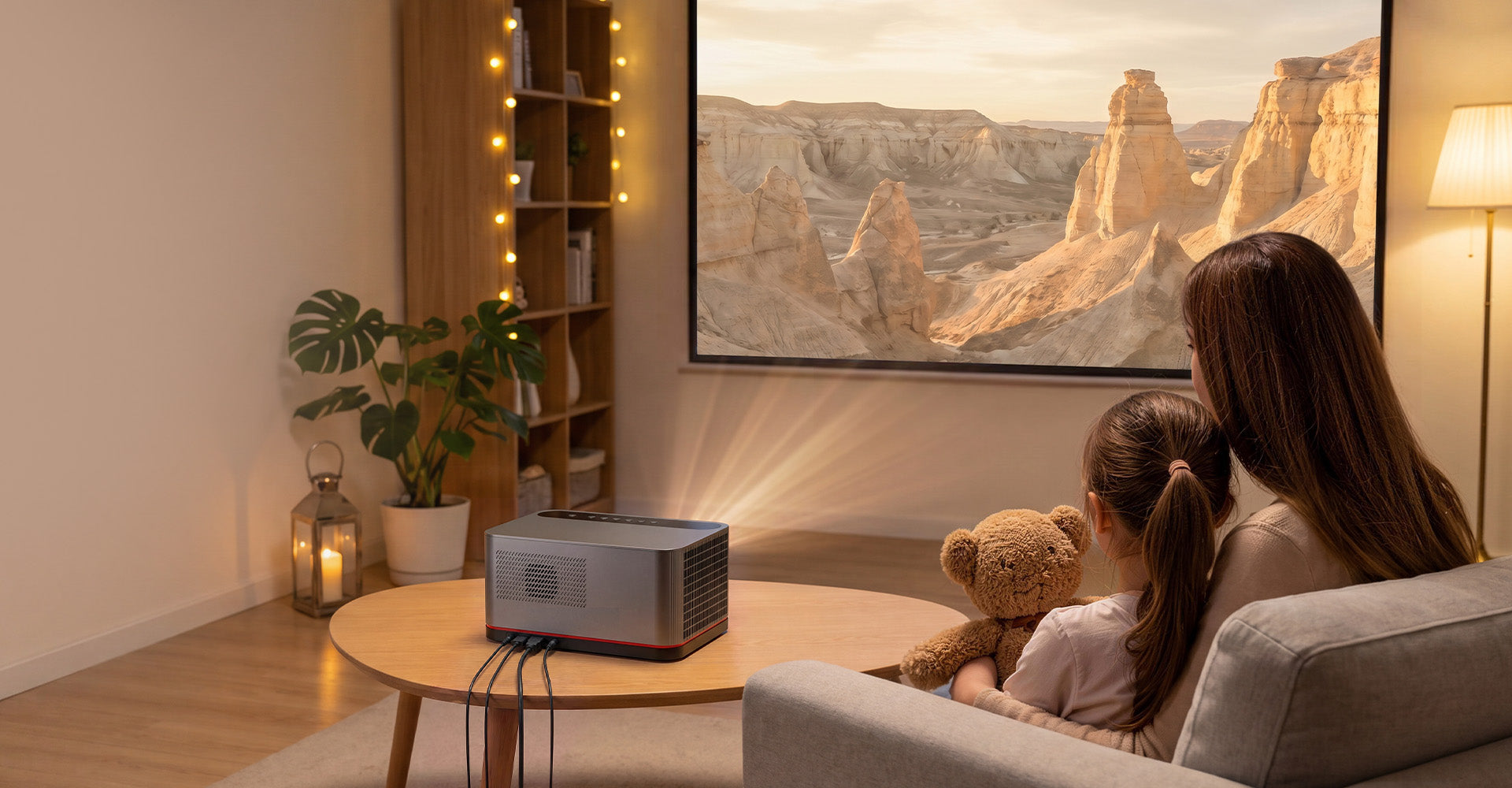
If your couch is about 9 to 10 feet away from a 100-inch screen, your eyes naturally blend the pixels together.
In a standard living room setup like this, the sharpness of a 1080p image already maxes out what your eyes can process.
Because of this natural limit, paying extra for a 4K projector at normal viewing distances rarely makes sense. Those extra pixels simply vanish into the background.

The Quality Trap: Premium 1080p vs. Cheap 4K
To keep prices low, budget 4K models rarely use real, native 4K chips. Instead, they use a trick called "pixel-shifting" to guess where the extra pixels should go. Because this shifting process blocks some light, these budget 4K units are often very dim.
On the flip side, a premium 1080p model puts its budget into what actually matters: high-quality glass lenses and bright light sources. A bright, color-rich 1080p image will always look more cinematic than a dark, washed-out 4K picture.

Here is a quick look at how brands spend your money in the $200–$600 price range:
|
Feature |
Premium 1080p Projector |
Cheap / Entry-Level 4K Projector |
|
Lens Quality |
Premium coated glass |
Cheap, easily scratched plastic |
|
Brightness (Lumens) |
High (Looks great even with some daylight) |
Low (Needs a totally dark room) |
|
Colors & Shadows |
Rich colors, clear dark scenes |
Faded colors, blurry shadows |
|
Smart System |
Certified OS (Like Google TV) |
Slow, uncertified, or glitchy system |
|
Dust Protection |
Fully sealed engine (Long lifespan) |
Open design (Prone to dust spots) |
Key Hardware Differences Explained Simply
When comparing a 1080p vs 4k projector, knowing a few simple hardware facts will help you make a smarter choice:
Do You Need the Pixels? 4K has about 8.3 million pixels, while 1080p has roughly 2 million. This huge jump in numbers really only matters if your screen is massive (over 120 inches) or if you are showing professional presentations with tiny text. For a standard movie night, it is overkill.
The Magic of 4K Decoding: Modern 1080p hardware is incredibly smart. Advanced units now include 4K video decoding. This means the projector can take a high-quality 4K signal from Netflix, process it, and cleanly display it in 1080p. You get to keep the rich colors and smooth streaming of the 4K file without paying the 4K hardware price.

The Smart Solution: Bridging the Gap
To get the best picture quality without breaking the bank, the smartest move is finding a 1080p unit with 4K decoding and a powerful light engine.
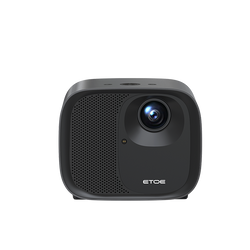
When looking at the current market, ETOE projectors are a great example of this balance. The ETOE Seal Pro 2026 Projector is built exactly for this purpose, solving the biggest complaints people have with budget home theaters:
Bright and Clear: Pumping out 1300 ANSI lumens, it handles room light with ease. Because it includes 4K video decoding, it easily plays top-tier streams in a vivid, native 1920×1080 resolution.
No More Dust Spots: Cheap units often get black spots on the screen because dust gets inside the lens. The ETOE Seal Pro uses a Fully Sealed Optical Engine to completely block dust, keeping the picture clean and making the device last much longer.
A Complete Theater: Built to be an all-in-one smart projector, it features an officially licensed Google TV system with Netflix. Add in Auto Focus, automatic image squaring (Keystone), and loud 20W dual speakers, and it delivers an experience cheap 4K models just cannot match.

A Quick Buyer’s Checklist for Your Home
Before buying, think about exactly how and where you plan to use the device. Here is a helpful guide based on common room setups:
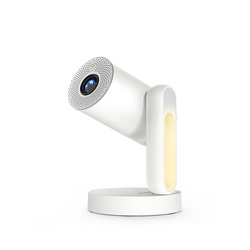
For the Bedroom: If you want to watch movies in bed or deal with slanted ceilings, flexibility is key. The ETOE Starfish Plus 1080P Projector makes this easy with a clever 140° rotation design. You can project right onto the ceiling with zero hassle, making it perfect for cozy bedrooms.

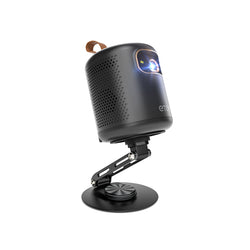
For Everyday Streaming: If you mostly watch YouTube, Prime Video, or basic Netflix, 1080p is still the standard format. Finding a device built specifically for streaming is your best bet. The ETOE E3 Pro 2026 Projector hits the sweet spot for this:
Smooth Smart TV: It features a certified Google TV system with over 10,000 apps (including official Netflix) and easy Google Assistant voice control.
Sharp Picture: It combines a crisp 1920×1080 resolution with 600 ANSI lumens and 4K decoding. Plus, dual-band Wi-Fi keeps your streams from lagging.
Zero Setup Hassle: Auto Focus and Auto Keystone instantly snap the picture into place. Dual 10W speakers with "Cinema" and "Music" modes handle the sound perfectly.
Built to Last: Just like the Seal Pro, it uses a fully enclosed optical engine to block out dust and protect your investment.
For Rooms with Windows: Brightness is everything if your room isn't pitch black. A bright 1080p model will always handle daylight better than a dim 4K option.

Conclusion
Choosing between a 1080p vs 4K projector really comes down to getting the most value for your money. While true 4K is amazing for massive, expensive home theaters with 150-inch screens, it is just not necessary for the average living room or bedroom.
If you focus on features that actually change how a movie looks—like high brightness, a great smart TV system, 4K decoding, and dust protection—you can build an incredible home theater on a budget. Buying a well-made 1080p model is the smartest way to get a bright, beautiful picture without paying extra for pixels your eyes cannot even see.

Leave a comment
This site is protected by hCaptcha and the hCaptcha Privacy Policy and Terms of Service apply.